Fictional example
Monthly management
information pack
Illustrative trading business
- Period
- August 2026
- Comparisons
- July 2026 and August budget
- Currency
- GBP
All figures are invented. A £600 platform fee estimate is already included in costs and accruals. The assumptions and exclusions appear at the end of the pack.
Executive overview
The month’s performance, cash position and priorities
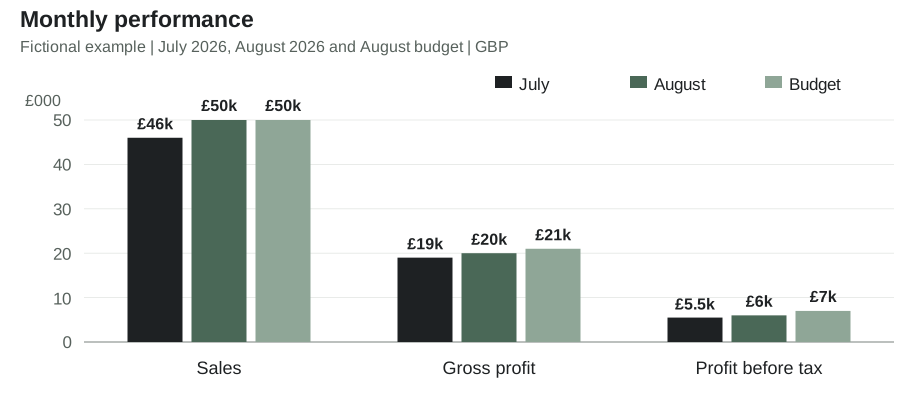
August sales met the £50,000 budget. Profit before tax was £6,000, up £500 on July and £1,000 below budget. Gross margin was 40%, compared with the 42% budget.
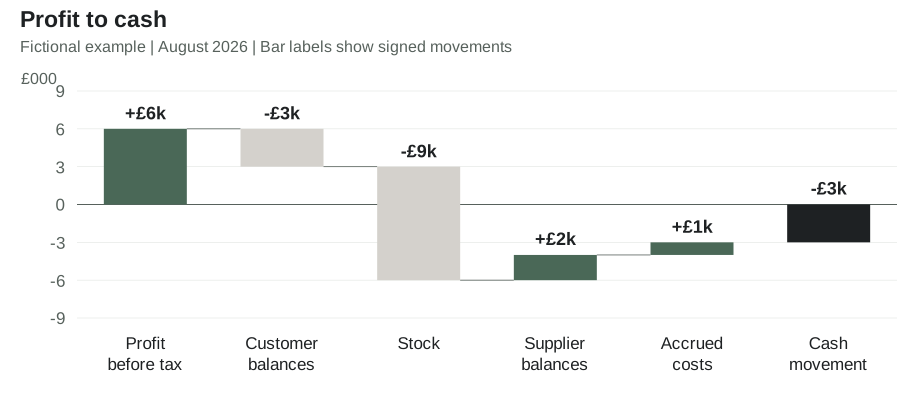
Bank cash fell by £3,000 to £17,000. Stock and customer balances increased by £12,000 in total, partly offset by £3,000 more supplier payables and accrued costs.
- Sales
- £50,000August, in line with budget
- Gross profit
- £20,000After the cost of goods sold
- Profit before tax
- £6,000£1,000 below budget
- Gross margin
- 40%Budget: 42%
- Closing bank
- £17,000£3,000 lower than opening
- Closing stock
- £27,000£9,000 higher than opening
Priorities for the next review
- Review the £1,000 cost-of-sales variance before deciding on a pricing change.
- Check ageing and demand before committing to further stock purchases.
- Obtain payment dates for £4,000 of overdue customer balances.
- Confirm the missing platform invoice against the £600 estimate already included.
Trading performance
Profit and loss for August, compared with July and budget
Scroll across the chart. Exact figures are also in the table below.
Scroll across to read all columns.
| Measure | July actual | August actual | August budget |
|---|---|---|---|
| Sales | £46,000 | £50,000 | £50,000 |
| Cost of goods sold | £27,000 | £30,000 | £29,000 |
| Gross profit | £19,000 | £20,000 | £21,000 |
| Fees and delivery costs | £5,500 | £6,000 | £6,000 |
| Staff costs | £6,000 | £6,000 | £6,000 |
| Other operating costs | £2,000 | £2,000 | £2,000 |
| Profit before tax | £5,500 | £6,000 | £7,000 |
Assumptions. Fictional GBP amounts on the accrual basis above. The £600 estimated fee is included in costs once.
Result. £6,000 profit before tax, against a £7,000 budget.
Cost rows are positive amounts deducted from sales. The £600 estimated platform fee is included once within fees and delivery costs.
Financial position
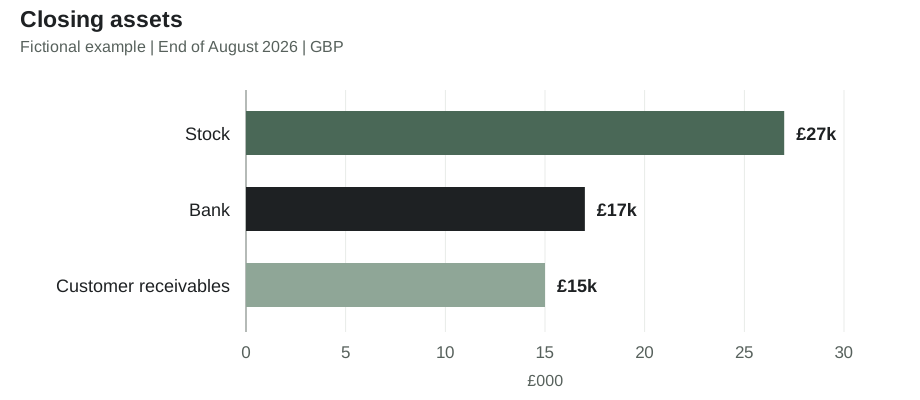
Opening and closing balances for August
Scroll across the chart. Exact figures are also in the table below.
- Total assets
- £59,000Bank, customers and stock
- Liabilities shown
- £15,000Suppliers and accrued costs
- Equity
- £44,000Opening equity plus profit
Scroll across to read all columns.
| Balance | Opening | Closing |
|---|---|---|
| Bank | £20,000 | £17,000 |
| Customer receivables | £12,000 | £15,000 |
| Stock | £18,000 | £27,000 |
| Total assets | £50,000 | £59,000 |
| Supplier payables | £10,000 | £12,000 |
| Accrued costs | £2,000 | £3,000 |
| Equity | £38,000 | £44,000 |
| Total liabilities and equity | £50,000 | £59,000 |
Profit, stock and cash
Why £6,000 profit accompanied a £3,000 fall in bank cash
Scroll across the chart. Exact figures are also in the table below.
Scroll across to read all columns.
| Movement | Effect on cash |
|---|---|
| Profit before tax | +£6,000 |
| Increase in customer receivables | −£3,000 |
| Increase in stock | −£9,000 |
| Increase in supplier payables | +£2,000 |
| Increase in accrued costs | +£1,000 |
| Net movement in cash | −£3,000 |
| Opening bank balance | £20,000 |
| Closing bank balance | £17,000 |
Profit was £6,000, while bank cash fell by £3,000. More cash was tied up in stock and customer balances. The increase in unpaid supplier and accrued costs partly offset that movement.
The stock schedule explains the difference between purchases and the cost of goods sold. Charging all £39,000 of purchases to this month’s profit would ignore the goods still held.
Assumptions. Fictional stock at recoverable cost. No write-downs, losses or other stock adjustments.
Result. £27,000 stock on hand; £30,000 recognised as the cost of goods sold.
Assumptions. Only the working-capital movements shown below. Tax, borrowing, fixed assets and owner transactions are excluded.
Result. Bank cash falls from £20,000 to £17,000.
Outstanding questions and actions
Known amounts, responsibilities and the next step
The draft contains one supported fee estimate. The other items below need follow-up before the next review.
Late platform invoice
£600 estimated fee already included in the £6,000 cost row and £3,000 closing accruals.
Next action. Finance: obtain the invoice, compare it with the estimate and any settlement posting, then clear or reverse the estimate through the agreed process. Record the difference.
Overdue customers
£4,000 of the £15,000 receivables is overdue; receipt dates are unconfirmed.
Next action. Owner: check disputes and obtain payment dates before including receipts in a spending plan.
More stock on hand
Stock increased by £9,000. The example assumes its recorded cost is recoverable.
Next action. Stock lead: review ageing, quantities and demand before placing the next order; refer any valuation concern for review.
Supplier payment timing
£2,000 within the £12,000 supplier balance needs an agreed payment date.
Next action. Owner: confirm terms and payment authority. Put the commitment into the cash plan; an accounts payable entry does not prove it has been paid.
Finalisation and scope
Keep the source schedules, the input cut-off and the list of remaining estimates with the pack. When the late invoice arrives, assess the difference, check for a duplicate cost and record any replacement version. Retain the earlier draft so the reason for a changed number remains clear.
A complete engagement may need channel, department or project reporting and a separate cash forecast. This example excludes statutory accounts, tax returns, audit assurance and a forecast. Agree the reporting basis, content, review responsibilities and timetable before treating it as your reporting specification.
Explore monthly management accounts and cash reporting support
Basis of preparation
Assumptions, exclusions and supporting records
This is a fictional August 2026 report for a small trading business, with July as the prior month. All figures are invented, in GBP. It is a teaching example of a management pack, not a client result or a promise of what every engagement includes.
The example uses accrual accounting and assumes stock is held at recoverable cost. VAT, tax, borrowing, fixed assets, depreciation, owner transactions and foreign currency are excluded throughout. There are no other balance-sheet movements. These simplifications let you follow the arithmetic; a real pack must include the balances and adjustments that apply to that business.
Draft version 1 includes a £600 estimate for a platform fee invoice that has not arrived. In this fictional example, it is calculated from the period’s transaction report and agreed fee schedule. It is already within fees and delivery costs and closing accruals shown in this pack. The pack remains subject to that invoice check. No input-VAT claim or tax treatment is modelled here.
Records behind a real pack
The figures here are invented. A real reporting pack would retain records such as these, with agreed dates and a record of checks.
Scroll across to read all columns.
| Record | Use in the pack |
|---|---|
| Ledger and agreed budget | Profit and loss, comparisons and the balance sheet. |
| Stock count and cost schedule | Opening stock, purchases, cost of goods sold and recoverability. |
| Bank statements and reconciliations | Opening and closing cash, with timing differences explained. |
| Customer and supplier ageing | Outstanding balances, disputes and payment dates. |
| Platform report, fee schedule and invoice | Support the fee estimate, then check and clear it once the invoice arrives. |
Use the month-end checklist to prepare the records behind a report
Performance commentary
August sales met budget and were £4,000 above July. Profit increased by £500 from July, but was £1,000 below budget because the cost of goods sold was £1,000 higher. Gross margin was 40%, compared with a 42% budget.
Those figures identify what changed, but do not establish why. Check product mix, purchase costs, stock adjustments and returns before deciding that prices should rise. Assign that review to the person who can check the underlying orders and stock records.